touchfeel - Dec. 04 2025
Main Components of Hand Sanitizer:
What Makes It Effective & Moisturizing

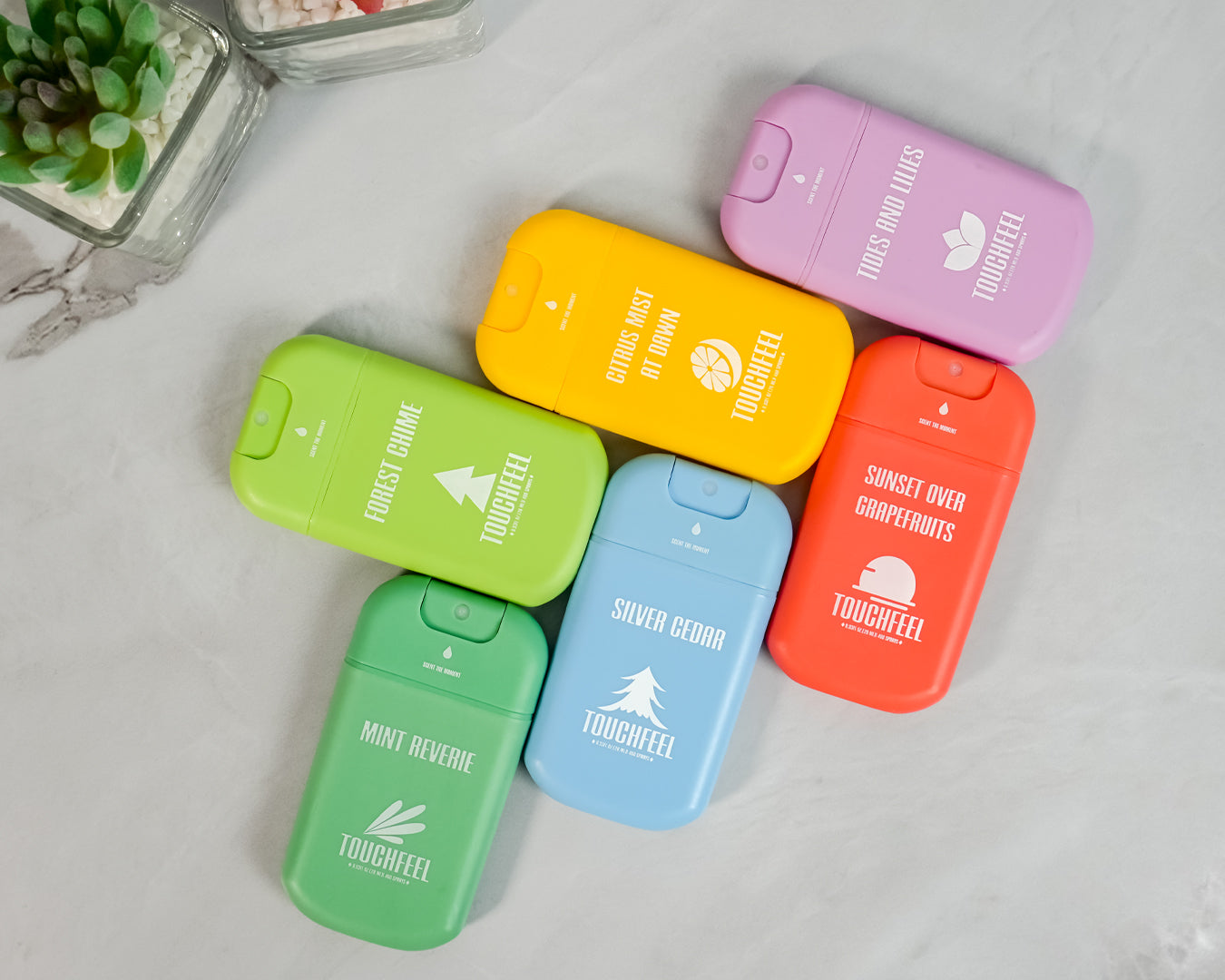
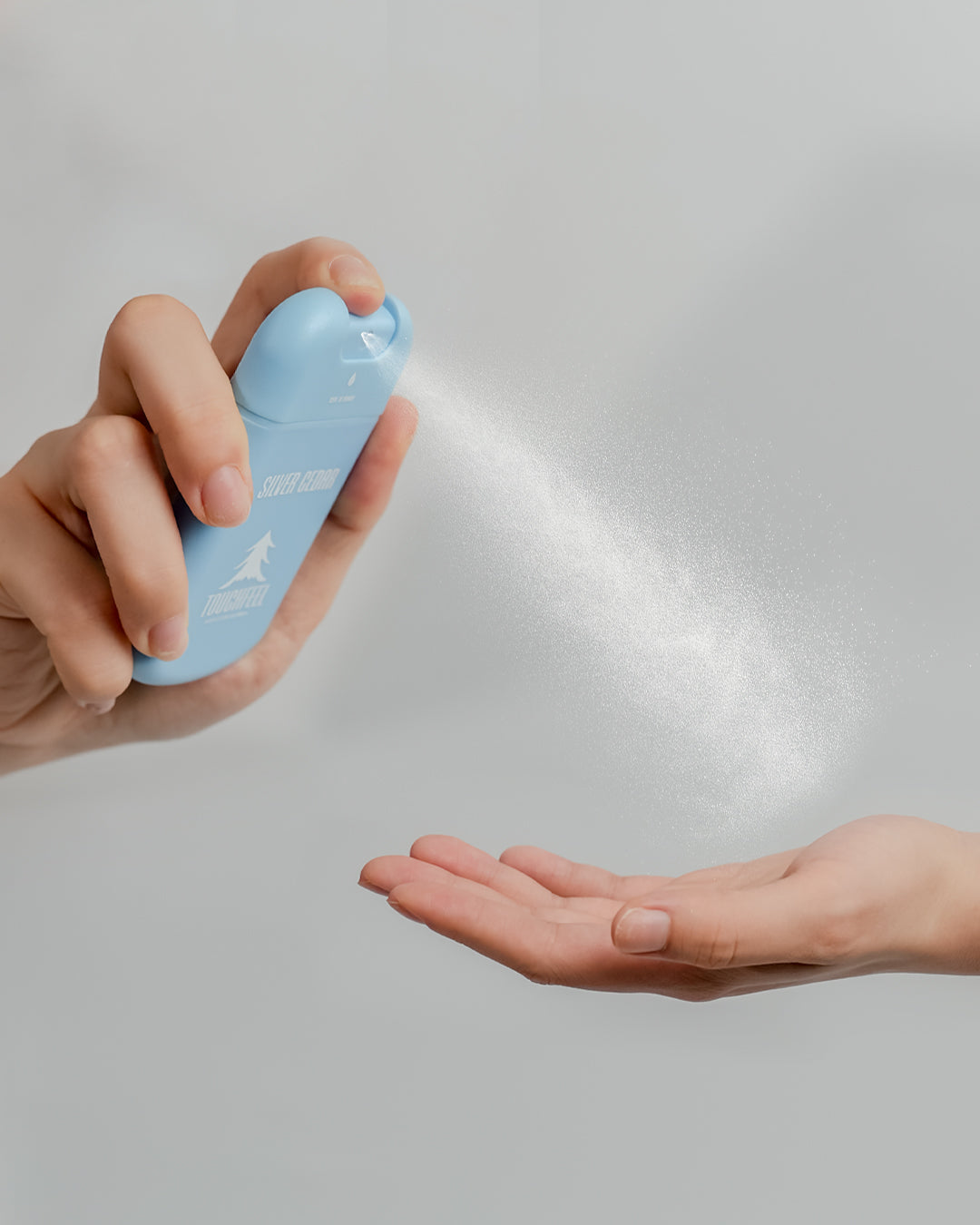
Hand sanitizer has become an essential companion in our fast-paced, on-the-go lives. Whether you’re grabbing a quick bite, commuting, or using public transport, a few drops of sanitizer offer convenience and peace of mind — especially when soap and water aren’t readily available. But a high-quality hand sanitizer isn’t just about alcohol. The best sanitizers blend multiple components to strike a balance: powerful germ-killing ability plus gentle, skin-friendly care.That’s where our product comes in: a refillable, portable hand sanitizer that kills 99% of germs, moisturizes, and leaves a pleasant fragrance — combining hygiene, care, and style in one.
In this article, we’ll dig into the main components of hand sanitizer, and show why each ingredient matters.
Alcohol — The Germ-Killing Powerhouse
At the core of virtually all effective sanitizers lies alcohol (commonly ethanol or isopropanol). This is the primary active ingredient that ensures sanitizers do their main job.
To kill microbes reliably — including many viruses and bacteria — sanitizers need to contain at least 60% alcohol by volume. Some formulations go higher (up to 95%) to maximize antimicrobial activity.
How does it work? Alcohol disrupts the protective membranes of microbes and denatures their proteins — effectively inactivating them. Without sufficient alcohol, a sanitizer may feel like it works — but its germ-killing power would be unreliable.
Water — The Essential Solvent & Balancer
If alcohol is the “active hero,” water is the silent partner that makes it all possible. Water serves as a solvent and helps achieve the right concentration for alcohol to work effectively.
Moreover, water helps dilute the solution to a usable consistency — without it, pure alcohol can be too harsh, evaporate too quickly, or even be less effective at denaturing microbial proteins.
In short: water ensures the sanitizer is both effective and usable.
Moisturizers & Skin-Friendly Additives: Caring for Your Hands
Frequent use of alcohol-based sanitizer can strip the skin of natural oils, leading to dryness, irritation, or cracking. That’s why many high-quality sanitizers — including ours — add moisturizers and skin-soothing ingredients.
Glycerin — The Humectant
One of the most common moisturizers is glycerin. As a humectant, glycerin draws moisture into the skin and helps retain it — counteracting the drying effect of alcohol.
However, balance matters. If the glycerin concentration is too high, it can actually interfere with alcohol’s antimicrobial action — or make the sanitizer feel sticky.
That’s why careful formulation is key. Good sanitizers include just enough glycerin to moisturize without compromising effectiveness.
Skin-Soothing Ingredients: Aloe Vera, Vitamin E and More
Many sanitizers go beyond simple glycerin and include natural or skin-friendly additions — such as aloe vera gel or vitamin E derivatives (like D-Alpha-Tocopheryl Succinate). These act as emollients/refatting agents, helping soothe, soften, and nourish skin.
These ingredients help make frequent sanitizer use more comfortable and skin-friendly — turning hand sanitizer from a purely hygienic product to one that supports hand health and skin care.

Fragrance & User-Experience Additions
Love it or skip it — many sanitizers include fragrance or light scents to enhance user experience. Fragrance doesn’t contribute to germ-killing, but it makes sanitizer more pleasant to use and encourages consistency.
For a product designed to be portable, fashionable, and used often, a mild pleasant scent can make a big difference — making hand hygiene a more pleasant, habitual part of everyday life.
Why Balance Matters — Efficacy vs. Skin Health
Using a sanitizer with high alcohol content ensures strong germ-killing performance. But without skin care components, frequent use can lead to dryness, irritation, or cracked skin — which ironically may make skin more vulnerable.
On the other hand, loading a sanitizer with too many moisturizers or thickeners can reduce its effectiveness — or make it sticky/unpleasant.
A thoughtfully formulated sanitizer — like ours — gets the balance right: effective germ protection + skin care + pleasant user experience.
How Our Refillable, Portable Sanitizer
Here’s how our sanitizer matches the ideal formulation:
Ingredients
62% Ethanol Alcohol, Aqua (Water), Glycerin, D-Alpha-Tocopheryl Succinate (Vitamin E), Aloe Vera Leaf, Fragrance .
What that means
62% ethanol gives strong germ-killing power, enough to meet recommended alcohol-based sanitizer thresholds.
Water ensures proper alcohol concentration and usability.
Glycerin + Aloe Vera + Vitamin E provide moisturizing, skin-softening benefits, reducing dryness and irritation from frequent use.
Fragrance adds a pleasant scent, making sanitizer use enjoyable.
Other benefits
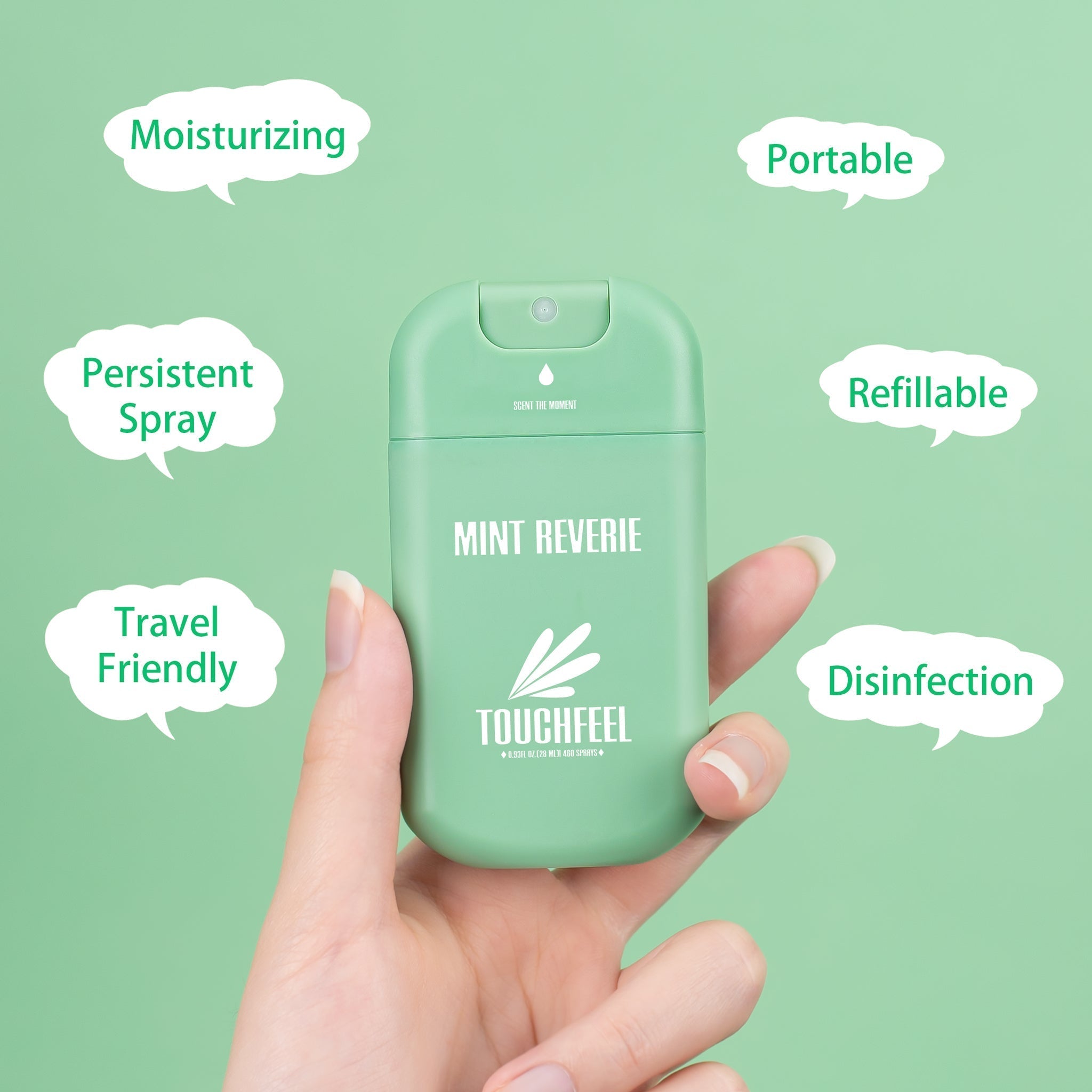
Refillable (eco-friendly), portable (perfect for on-the-go), moisturizing, pleasant fragrance — while still killing 99% of germs.
This formula delivers the ideal balance: hygiene, skin care, and convenience.
Conclusion
Effective hand sanitizer isn’t just “alcohol in a bottle.” It’s a carefully balanced blend of active ingredients and skin-friendly additives — with water, moisturizers, and thoughtful formulation playing essential roles.
When used properly, a well-formulated sanitizer can kill germs — and care for your hands at the same time. That’s why it’s worth looking beyond just “kills germs” claims and checking for skin-friendly ingredients.
If you prioritize both protection and skin comfort, a product like ours — refillable, portable, moisturizing, and effective — offers the best of both worlds.
Check out our sanitizer and learn more on touch-feel.com for safe, soft, on-the-go hand hygiene.
FAQ
Q: What percentage of alcohol should hand sanitizer have?
A: International guidelines recommend at least 60% alcohol for effective germ-killing, with 60%–80% considered the optimal range.
Q: Why is glycerin added to hand sanitizer?
A: Glycerin acts as a humectant — drawing moisture into your skin and reducing the drying effect of alcohol.
Q: Does hand sanitizer dry out your skin?
A: Pure alcohol-based sanitizer can dry out skin with frequent use, which is why well-made sanitizers include moisturizers like glycerin, aloe vera, or vitamin E to protect skin health.
Q: What role do aloe vera or vitamin E play in sanitizer?
A: They act as gentle emollients or refatting agents, helping soothe and soften skin, especially with repeated use.
Q: Can sanitizer be both effective and moisturizing?
A: Yes — with the right formulation that balances alcohol (for disinfection) and skin-friendly moisturizers, a sanitizer can both kill germs and nourish skin.